The Ocean State · Est. in a driveway

Keep the truck. Lose the engine.

Electric conversions for the vehicles people actually want to keep driving — old pickups, project cars, work vehicles. Full builds, help with your own build, or just the parts.

What we do

Three ways in

Most people land somewhere on this spectrum — hand us the keys, or do it yourself and pull us in when the wiring stops making sense.

01

Full conversion

Drop the vehicle off, get it back electric. We handle the whole drivetrain.

  • Motor, inverter, and mounts
  • Battery pack design and enclosure
  • BMS, contactors, HV safety
  • Onboard charging (J1772 / NACS)
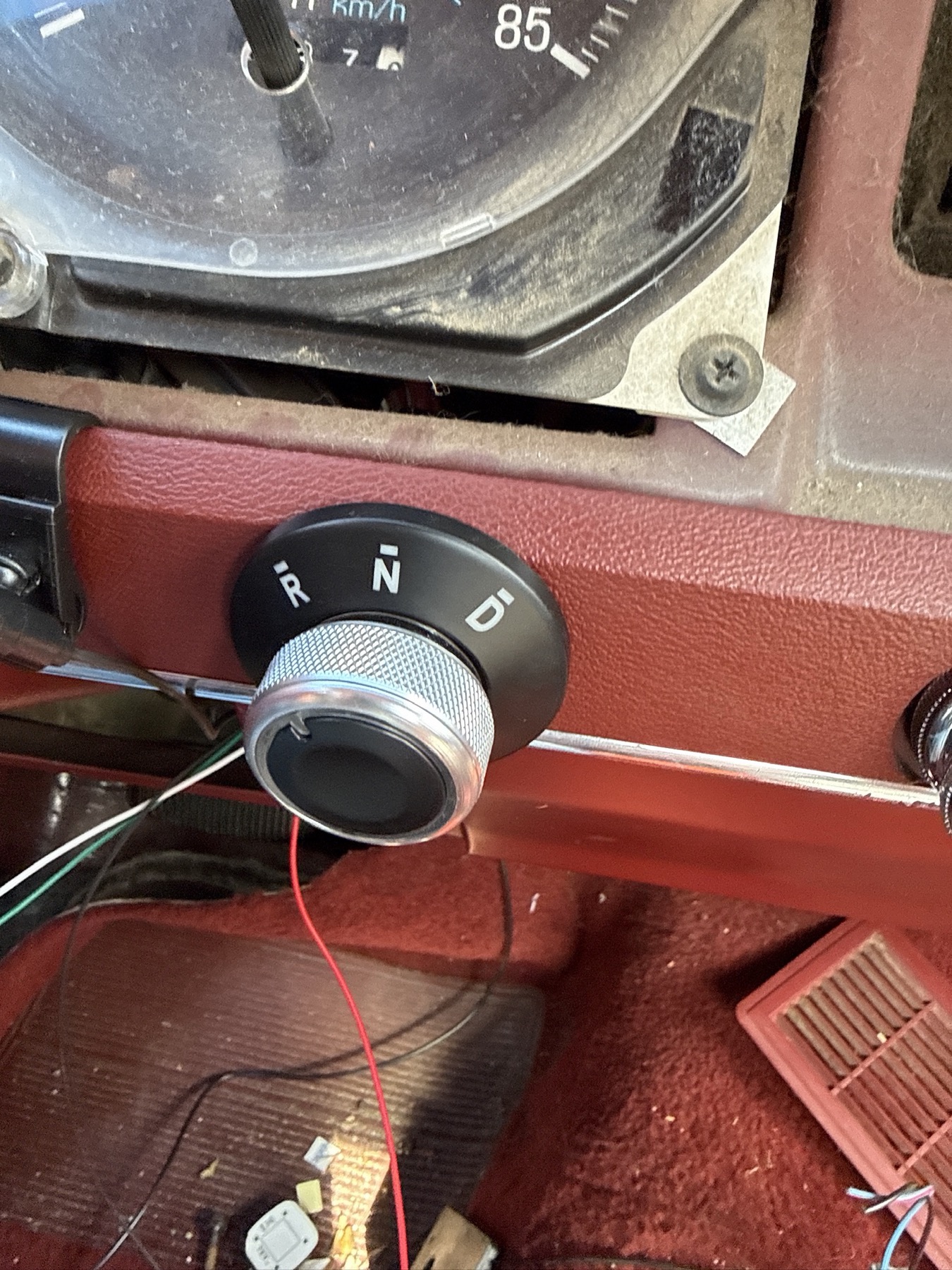
  • 12V system, gauges, dash integration
02

Build consulting

You're doing the build. We help you not redo it twice.

  • Component selection and sizing
  • Wiring diagrams and HV layout
  • CAN bus and BMS commissioning
  • Troubleshooting when it won't spin
  • Remote or in person, hourly
03

Parts and kits

Sourcing the pile of parts is half the project. We'll spec it out.

  • Motors, inverters, chargers, DC-DC
  • Salvage and new battery modules
  • Charge ports and adapters
  • Harnesses and HV cable
  • A complete parts list for your vehicle
The proof

1986 Ford Ranger

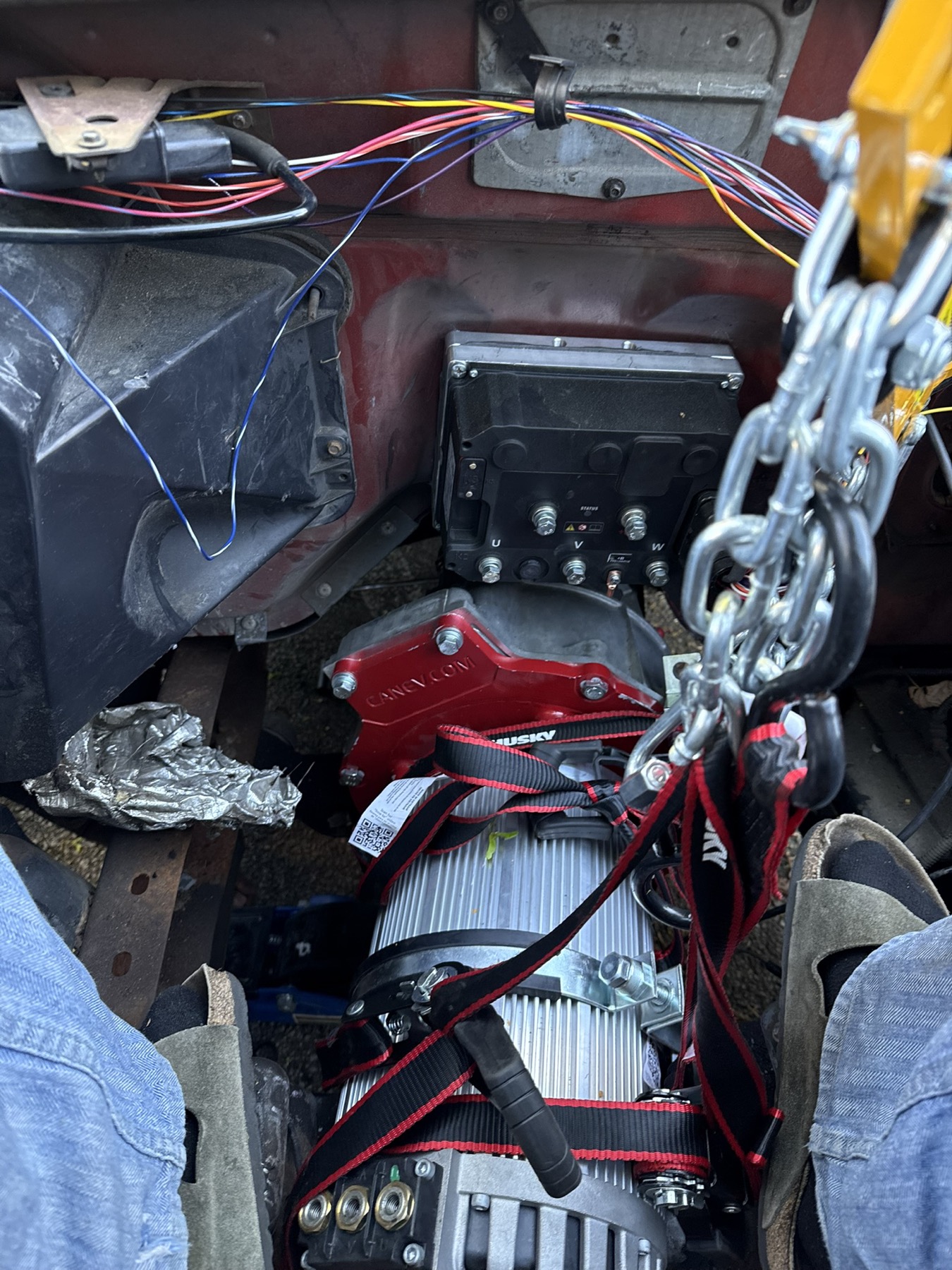
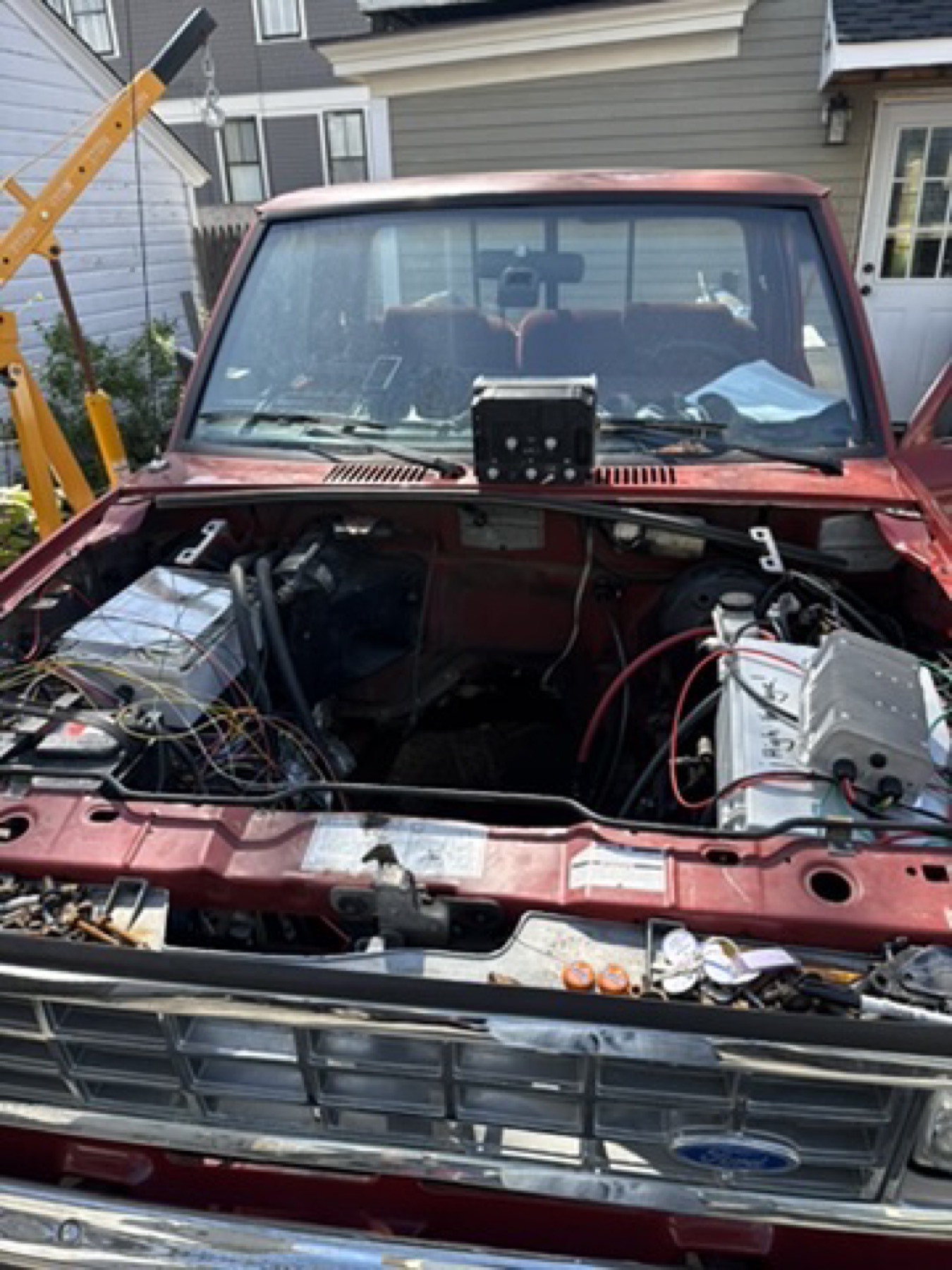
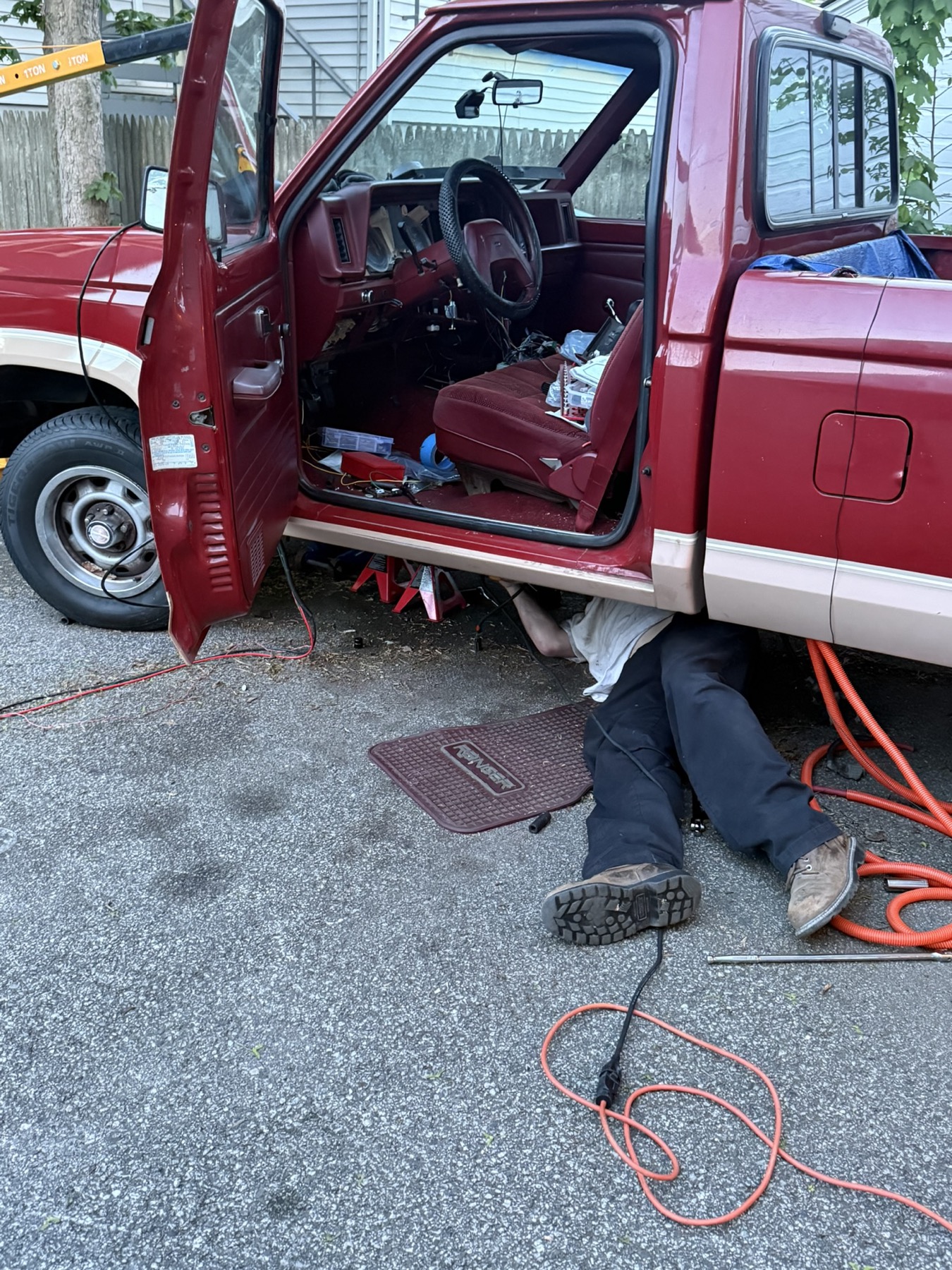
An in-progress, fully documented conversion. Nothing here is theory — the wiring notes, firmware, and CAN work are all from this truck.

The gas engine pulled out of the Ranger on an engine hoist
The engine coming out. Everything after this is new.
Build status: HV pack and BMS commissioned, inverter bench-tested, charging path wired. Currently working through the HV-side wiring and first drive. This section will get build-log updates as it goes.
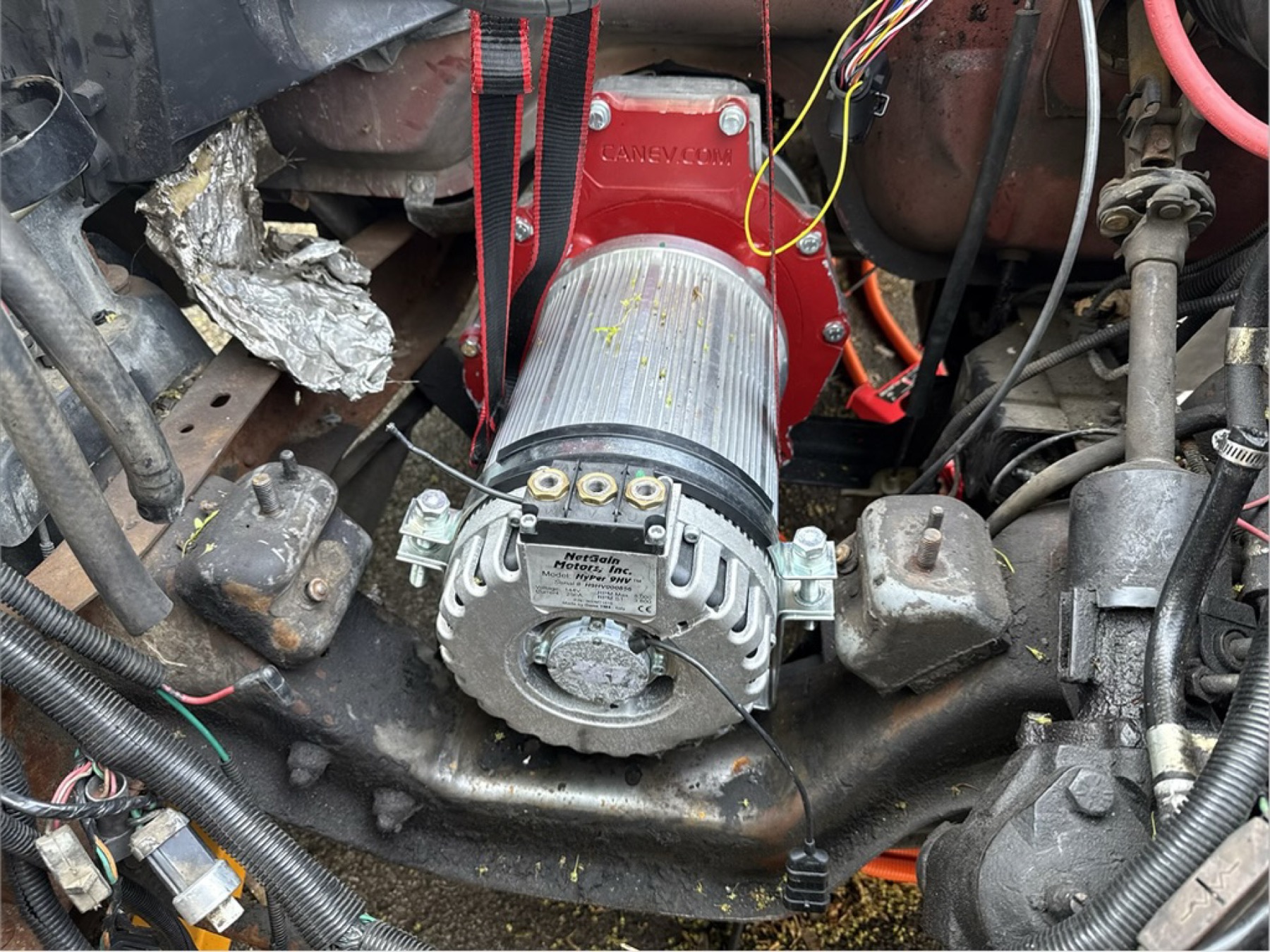
MotorNetGain Hyper9 HV
InverterHyper-Drive X1, 120/144V 500A
BatteryTesla modules, 36S configuration
BMSThunderstruck MCU with satellite cell monitors
Onboard chargerThunderstruck TSM2500
Charge portJ1772 + NACS
InstrumentationCustom CAN dashboard (open source)
TransmissionOriginal manual, retained

Every step is documented — wiring references, CAN decoding, firmware, and the dashboard that runs on the truck. We're in the middle of cleaning those repos up to publish them openly.

How it goes

From "I have an idea" to plugged in

1. ConversationWhat the vehicle is, how far you drive it, what you want out of it.
2. Spec and quoteMotor, pack size, range target, and a real parts list with real numbers.
3. BuildTeardown, drivetrain, pack, HV, charging, 12V, dash. Photos as we go.
4. ShakedownCommissioning, road testing, and a walkthrough of how to live with it.
Questions

The ones everybody asks

What does a conversion cost?

There's no single number, because a conversion is a pile of separate line items and every vehicle moves them around:

  • Battery pack — usually the biggest one, and it scales directly with the range you want. New vs. salvage modules is a large fork in the road.
  • Motor and inverter — sized to the vehicle and how you plan to drive it.
  • Labor to strip the ICE out — engine, exhaust, fuel system, radiator. On a rusty New England truck this takes longer than people expect.
  • Transmission — if it's a manual, you usually keep it and adapt to the existing bellhousing, which is the cheap path. An automatic typically means swapping in a manual or going direct-drive, and that's real added cost.
  • Everything the engine used to run — power steering, vacuum brakes, heat, AC. Each one needs an electric replacement or it goes away.
  • Charging — onboard charger, charge port, and the HV wiring to support it.
  • Fabrication — motor mounts, battery boxes, and brackets are vehicle-specific and almost never off the shelf.

Tell us the vehicle, whether it's a manual, and how far you need to go, and we'll put a real quote together instead of guessing here.

What vehicles work best?

Light, simple, and mechanically sound. Older pickups and small trucks are ideal — room for the pack, straightforward wiring, and no computer to fight with. Newer vehicles with heavy electronics integration are harder and cost more.

How much range will I get?

It's a function of pack size, vehicle weight, and aero. We'll estimate it for your specific vehicle during the spec step rather than promising a number up front.

Can I keep my manual transmission?

Usually yes, and it's often the simplest path — the motor mates to the existing bellhousing and you keep the gearbox. Most conversions end up driving in one or two gears once you get used to the torque.

Do you do inspection and registration paperwork?

We can walk you through what Rhode Island requires for a converted vehicle. We're not an authority on it — we'll tell you what we know and point you at the DMV for anything we're not sure of.

Where are you located?

Rhode Island. Full conversions are local — southern New England, roughly. Consulting can happen anywhere.

Get in touch

Tell us about the vehicle

Year, make, model, and what you want to do with it. That's enough to start. We read everything and reply personally.

hello@rievs.com